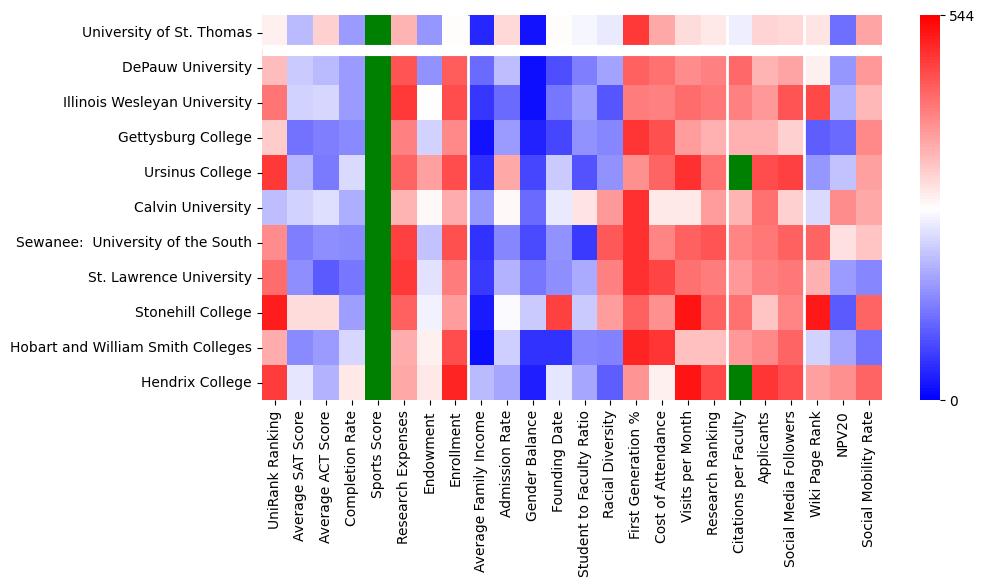
The University of St. Thomas, founded in 1885, is a private Catholic institution located in St. Paul, Minnesota. Originally established as a seminary, it has since evolved into a comprehensive university offering a wide range of undergraduate and graduate programs. With over 10,000 students, St. Thomas is the largest private university in Minnesota. The campus is characterized by its beautiful blend of historic and modern architecture, set against the scenic backdrop of the Mississippi River. The university's commitment to its Catholic heritage is evident in its focus on ethical leadership and social justice.
What sets the University of St. Thomas apart is its strong emphasis on community engagement and its robust network of alumni who play active roles in various industries. The university's Opus College of Business is particularly notable for its entrepreneurial programs, which have been recognized nationally. St. Thomas also prides itself on its efforts in sustainability, having received accolades for its green initiatives and sustainable campus practices. The university's Center for the Common Good facilitates numerous service-learning opportunities, connecting students with community organizations to address social issues.
Academically, the University of St. Thomas is well-regarded for its rigorous programs and dedicated faculty. The School of Engineering has gained a reputation for innovation, with particular strengths in mechanical and electrical engineering. The university's law school, though relatively young, has quickly established itself as a competitive program with strong ties to the local legal community. Additionally, the College of Arts and Sciences offers a diverse array of programs, with standout departments in psychology and computer science. St. Thomas is committed to providing a well-rounded education, emphasizing critical thinking and ethical decision-making across all disciplines.
Despite its many strengths, the University of St. Thomas faces some challenges. The cost of attendance is relatively high, which can be a barrier for prospective students, although the university does offer financial aid packages. Some students have pointed out that the university's location in a suburban area might not appeal to those looking for a more urban experience. Additionally, while the university has made strides in expanding its diversity and inclusion efforts, there is still room for growth in ensuring a more diverse student body and faculty. These areas present ongoing opportunities for the university to improve and adapt in today's educational landscape.